Oxalic Acid 99.6%: The Multi-Tasking Powerhouse You Need to Know
Ever struggled with stubborn rust stains on your favorite tools? Or maybe you’ve wondered how industries keep fabrics so brilliantly white? The secret might surprise you—it’s oxalic acid 99.6%, a humble yet mighty chemical that’s been quietly solving problems for decades.
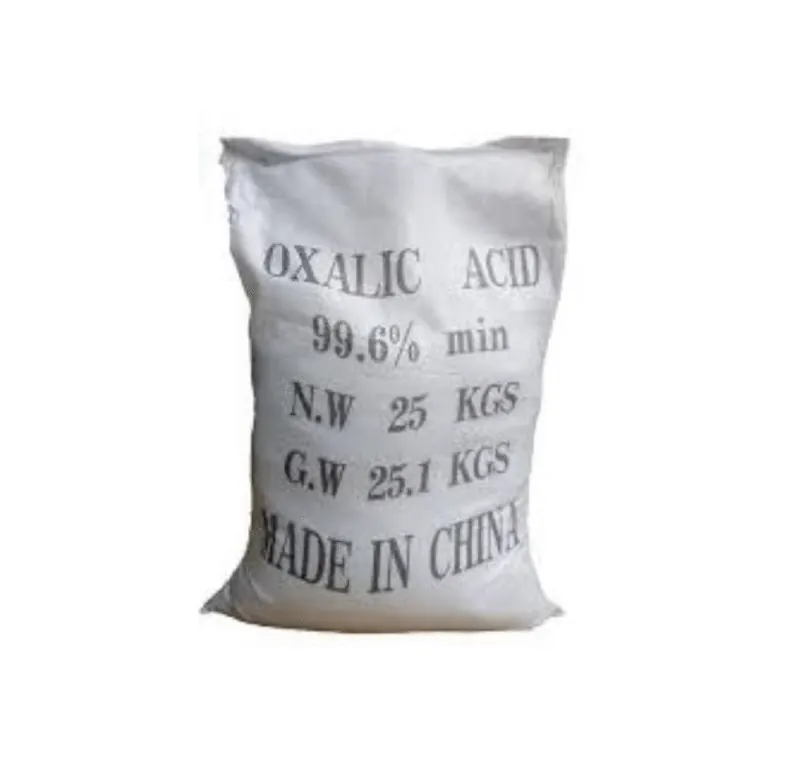
This colorless, soluble dicarboxylic acid isn’t just another lab chemical. It’s a natural organic acid found in foods like spinach and rhubarb. But at 99.6% purity, it becomes an industrial superhero—removing rust, bleaching fabrics, and even helping in chemical reactions as a catalyst.
In this guide, we’ll explore:
✔ What makes oxalic acid so special?
✔ Everyday & industrial uses you didn’t know about
✔ How it compares to other acids like citric and nitric acid
✔ Safety tips to handle it like a pro
Let’s dive in!
What Exactly is Oxalic Acid?
Oxalic acid (C₂H₂O₄) is a simple but powerful organic acid. It forms salts called oxalates, which occur naturally in plants. At high purity (99.6%), it’s a colorless, crystalline powder that dissolves easily in water.
Why Do We Use It?
- Rust Dissolver – Bonds with iron ions to break down rust.
- Wood Brightener – Lightens stains without sanding.
- Textile Bleach – Removes tough dyes gently.
- Lab Helper – Acts as a catalyst in chemical reactions.
Fun fact: Your body produces small amounts of oxalic acid naturally. But too much can form calcium oxalate, the main culprit behind kidney stones.
7 Surprising Uses of Oxalic Acid 99.6%
1. Rust Removal – Say Goodbye to Corrosion!
Got rusty tools, bike chains, or patio furniture? Oxalic acid is a metal’s best friend. Unlike harsh acids (looking at you, hydrochloric acid!), it removes rust without eating away the metal.
How it works:
- Forms a soluble complex with iron oxide (rust).
- Just soak, scrub, and rinse—no elbow grease needed!
Pro Tip: Mix 1 tbsp oxalic acid in 1 cup warm water for DIY derusting.
2. Wood Restoration – Bring Old Furniture Back to Life
Dark water stains on wooden tables? It lifts them like magic. It’s a woodworker’s secret for restoring antique furniture.
Why it’s better than sanding:
- Doesn’t damage the wood grain.
- Works on oak, teak, and even delicate veneers.
3. Fabric & Leather Bleaching
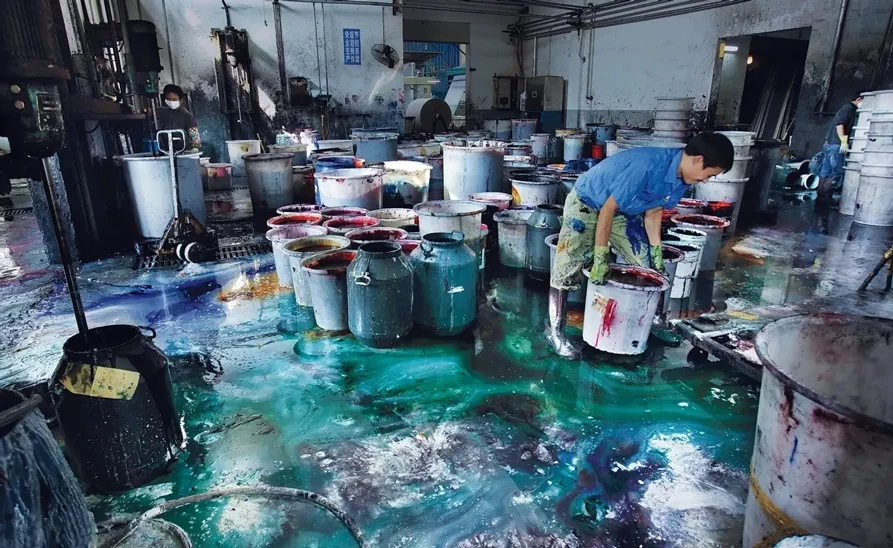
Ever wondered how denim gets that perfect faded look? Many textile factories use oxalic acid as a bleach. It’s gentler than chlorine and works on:
- Cotton
- Linen
- Leather (removes stubborn stains)
4. Cleaning Stone & Tile
Hard water stains on marble or ceramic tiles? Oxalic acid dissolves mineral deposits without scratching surfaces.
Bonus Use: Cleans grout lines better than vinegar!
5. Beekeeping – Fighting Mites Naturally
Beekeepers use diluted oxalic acid to control varroa mites—a safe, chemical-free solution for healthy hives.
6. Industrial Metal Treatment
Before painting or coating, factories use oxalic acid to clean:
- Car parts
- Machinery
- Ship hulls
7. Lab & Pharmaceutical Uses
- Helps synthesize drugs.
- Purifies chemicals.
- Cleans lab glassware without residue.
Oxalic Acid vs. Other Common Acids
1. Oxalic Acid vs. Citric Acid
| Feature | Oxalic Acid | Citric Acid |
|---|---|---|
| Rust Removal | Stronger | Mild |
| Food Safe? | No (toxic) | Yes (in lemons) |
| Eco-Friendliness | Biodegradable | Very eco-friendly |
Best for:
- Oxalic acid → Heavy rust, wood stains.
- Citric acid → Light cleaning, food preservation.
2. Oxalic Acid vs. Nitric Acid
| Feature | Oxalic Acid | Nitric Acid |
|---|---|---|
| Metal Cleaning | Safe on most metals | Can corrode metals |
| Toxicity | Moderate | Highly corrosive |
| Common Use | Rust removal, bleaching | Etching, explosives |
Best for:
- Oxalic acid → Gentle derusting.
- Nitric acid → Industrial metal etching.
3. Oxalic Acid vs. Acetic Acid (Vinegar)
| Feature | Oxalic Acid | Acetic Acid |
|---|---|---|
| Strength | Stronger | Mild |
| Cost | Affordable | Very cheap |
| Stain Removal | Great for rust & dyes | Good for light stains |
Best for:
- Oxalic acid → Tough stains, rust.
- Acetic acid → Daily cleaning, cooking.
Safety Tips – Handle With Care!
It is useful but needs respect. Follow these rules:
✅ Wear gloves & goggles – Skin contact can irritate.
✅ Work in a ventilated area – Avoid inhaling dust.
✅ Never mix with bleach – Creates toxic gas.
✅ Store in a dry place – Keep away from kids & pets.
First Aid:
- Skin contact? Rinse with water for 15 mins.
- Swallowed? Drink milk and seek help immediately.
Final Thoughts: Should You Use Oxalic Acid?
If you need a powerful yet eco-friendly cleaner, oxalic acid 99.6% is a winner. It’s cheaper than commercial rust removers, works on multiple surfaces, and is biodegradable.
Just remember:
✔ Great for rust, wood, and fabrics.
✔ Safer than harsh acids like sulfuric or nitric.
✔ Handle with care—safety first!
Ready to try it? Grab a small batch and test it on an old tool or stained tile. You’ll be amazed at the results!
FAQs
Q: Is oxalic acid safe for septic systems?
A: Yes, in small amounts. It breaks down naturally.
Q: Can I use it to clean jewelry?
A: Yes! It removes tarnish from silver safely.
Q: Does it expire?
A: No, but store it in an airtight container to avoid moisture.
Got more questions? Drop them in the comments!
pubchem.ncbi.nlm.nih.gov oxalate acid safety guidelines explain proper handling
Need these chemicals for your process?
Ask us for grades, pack sizes and a price.