Hidden Truth About Textile Chemical Safety: Expert Guide 2026
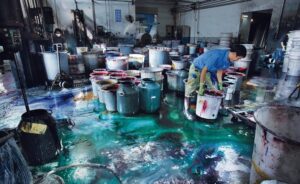
Chemical usage in textile production is nowhere near as visible as we might think. The manufacturing process uses between 0.35 and 1.5 kilograms of chemicals
to produce one kilogram of cotton textiles . These numbers express why we should know what goes into the fabrics that surround us every day.
The textile industry relies on chemicals to create durable, colorful, and functional fabrics, yet these substances raise vital health and environmental concerns. The
process involves simple chemicals like caustic soda and hydrogen peroxide, along with complex textile dyes that create vibrant colors . These substances serve
significant roles throughout production stages. Textile chemical companies in Pakistan and companies of all sizes worldwide now face greater scrutiny as
consumers want to know more about the substances touching their skin.
This piece delves into textile chemical safety’s hidden truth, the most common chemicals used, what it all means, and safer alternatives available today. We’ll also
explore emerging trends and adaptable solutions as the industry shifts toward green practices in 2025 and beyond.
The Role of Chemicals in Textile Manufacturing
Chemicals have shaped textile production from basic fabric dyeing to modern manufacturing. Each textile product goes through a complex process that turns raw
fibers into finished fabrics with unique properties and looks.
Why chemicals are essential in textile production
Modern textile manufacturing relies heavily on chemical processes. Today’s fabric production would be impossible without them, both in terms of scale and
performance. Cotton production used 4.71% of all chemical pesticides sold globally by value and 10.24% of all insecticides in global crop protection during 2019
[1]. These numbers show how chemical use starts before fibers reach processing facilities.
Textiles and chemicals work together perfectly. Chemicals give fabrics properties they wouldn’t naturally have. To name just one example, they add wrinkle
resistance, water repellency, vibrant colors, and antimicrobial properties. These substances also streamline processes, which helps manufacturers meet global
needs while keeping quality consistent across batches.
One expert puts it simply: “It would be nearly implausible to provide current materials without chemicals” [2]. The textile industry uses about 8,000 different
chemicals throughout production, which shows how vital they are [3].
Common stages where chemicals are used
Chemicals play key roles in textile manufacturing stages:
Fiber Production: Natural fibers like cotton need pesticides, insecticides, and fertilizers during farming. Farmers spray cotton with chemical defoliants to
remove extra leaves before machine-picking [3]. Making synthetic fibers requires polymerizing petroleum extracts with various acids and salts.
Pretreatment Processes: Fabrics need chemical treatments before dyeing:
• Desizing removes starches and sizing chemicals
• Scouring eliminates natural waxes, fats, and impurities
• Bleaching with hydrogen peroxide or sodium hypochlorite makes fabrics white
•
Mercerizing with caustic alkali strengthens fibers and helps them absorb dye better [4]
Coloration: Chemicals help colors stick to fibers during dyeing and printing. This stage needs fixation chemicals, washing chemicals, and additives. Research
shows that manufacturers use “20 to 30 different chemicals” from pretreatment through dyeing and finishing [3].
Finishing: The last stage uses chemicals for specific properties. Manufacturers use polyurethanes and silicones for softening, starch resins for stiffening,
formaldehyde-based resins for crease resistance, and fluorocarbons for water/oil repellency [3].
Overview of chemical categories
Textile chemicals fall into several main groups:
•
•
•
•
Basic Chemicals: Core substances like soda ash, hydrogen peroxide, acids (hydrochloric, sulfuric, acetic), and caustic soda [5]
Dyes and Pigments: Organic/inorganic compounds that add color through various binding methods [5]
Surfactants: These reduce surface tension and enable wetting, dispersing, and cleaning [6]
Functional Additives: These include flame retardants, water repellents, antimicrobial agents, and wrinkle-resistance treatments [5]
•
Auxiliaries: Support chemicals like sequestering agents, leveling agents, and fixing agents [5]
The textile industry keeps developing its relationship with chemistry. Environmental and health concerns drive the adoption of safer alternatives. This makes
understanding these chemical foundations vital for industry professionals and informed consumers alike.
Top Chemicals Used and Their Safety Profiles
Every textile product we use contains chemicals that make our fabrics colorful, wrinkle-free, and comfortable. These substances might make our clothes better,
but they come with hidden health and environmental risks we need to understand better.
Dyes and pigments: color and toxicity
Synthetic products make up most textile dyes today. There are about 38,000 different commercial colorants that use 7,000-8,000 chemical structures [7]. These
dyes turn plain fabrics into the vibrant products customers want.
Azo dyes make up 60-80% of all colorants and raise serious concerns [8]. These compounds can break down and release aromatic amines, and some of these
are known to cause cancer. Benzidine-based dyes used to make up about 21% of world dye production [7]. Many countries have reduced their use because of
safety risks.
Many dyes contain heavy metals like antimony, cadmium, lead, mercury, and chromium VI [8]. These metals build up in the liver or kidneys after absorption and
can cause serious health issues. Cadmium, lead, and chromium VI are known to cause cancer, and many regions restrict their use [8].
Formaldehyde: wrinkle resistance vs. health risks
The textile industry started using formaldehyde in the mid-1920s, and it remains a common choice to help fabrics resist wrinkles [9]. Companies also use it as a
crosslinking agent, to prevent mold, and to fix dyes [9].
Formaldehyde helps make better fabrics but comes with health risks:
• It irritates skin and eyes where contact occurs
• It causes breathing problems and nausea
• It can make asthma worse
•
The International Agency for Research on Cancer lists it as a cancer-causing substance [9]
Studies show formaldehyde levels vary by fabric type. Mixed cotton and synthetic fiber garments (12.7 mg/kg) have higher concentrations than pure cotton (7.51
mg/kg) or pure synthetic fibers (6.66 mg/kg) [9]. The good news is that washing clothes removes detectable formaldehyde [9].
Bleaching agents: hydrogen peroxide and sodium hypochlorite
Textile processors mainly use sodium hypochlorite and hydrogen peroxide as bleaching agents [7]. Hydrogen peroxide has become the top choice and bleaches
90-95% of all cotton and cotton/synthetic blends [10].
People prefer hydrogen peroxide because it doesn’t cause yellowing, it’s eco-friendly, and leaves no harmful byproducts [11]. Cotton bleaching works best at pH
10.5, but metal ions like iron and copper can break down the process [11].
Sodium hypochlorite is more dangerous. This chemical damages eyes, skin, breathing passages, and digestive system [12]. Breathing it in can lead to fluid in the
lungs after the first signs of damage appear [12].
Surfactants and detergents: cleaning with caution
Surfactants help control static, untangle fibers, and soften fabrics during scouring, lubrication, dyeing, and finishing [1]. These molecules work because they have
both water-loving and water-hating parts [5].
We need surfactants, but they pose environmental and health risks. They rank among the hardest emerging pollutants that keep entering our environment [5]. The
global surfactant market is worth about 42.1 billion US dollars and keeps growing [5].
Some surfactants, especially linear alkylbenzene sulfonates (LAS), harm aquatic ecosystems [5]. These chemicals can irritate human skin, cause breathing
problems, and weaken our body’s defenses against environmental stress [5].
Softeners and finishing agents: comfort vs. chemical load
Fabric softeners contain quaternary ammonium compounds (quats), artificial fragrances, and silicones. These make clothes feel soft but raise health concerns
[13]. A thin coating makes fabrics feel softer but stops them from breathing and absorbing moisture properly [14].
Quats in softeners can trigger asthma and might harm reproductive health [3]. Fabric softeners release toxic chemicals during wash and dry cycles. Dryer vents
release 25 different volatile organic compounds (VOCs) [15].
Phthalates in fabric softeners help stabilize fragrances but disrupt our hormone system [14]. Our bodies absorb these through skin contact or breathing laundry
fumes. They can copy hormones like estrogen and throw off our hormone balance [14].
Hidden Risks in Textile Chemical Use
Hidden dangers in our clothes often go unnoticed until they show up as health problems or damage to the environment. Chemicals in textiles pose serious risks to
consumers, workers, and ecosystems beyond their useful benefits.
Skin contact and allergic reactions
Textile contact dermatitis affects millions of people worldwide. Symptoms range from redness and itching to severe scaling [4]. Chemical additives rather than the
fibers cause most allergic skin reactions. These come from formaldehyde resins, dyes, and finishing agents [4]. The reactions show type 4 hypersensitivity
responses that trigger the immune system to produce inflammatory cytokines [16].
Women get textile dermatitis more often than men because they wear tighter and more colorful clothing [4]. People with atopic dermatitis or sensitive skin have
higher risks of these chemical reactions [4]. Diagnosing these conditions remains tough since clothes don’t list their chemical ingredients [4].
Environmental discharge and water pollution
The textile industry leaves a massive environmental footprint. Textile dyes and finishing agents cause about 20% of global water pollution [17]. These waste
products contain highly toxic substances—including sulfur, vat dyes, copper, arsenic, and lead—that destroy aquatic ecosystems [18].
Synthetic textiles release between 16% and 35% of microplastics into oceans worldwide. This adds up to nearly 200,000 tons each year [6]. Cheap fast fashion
makes this worse by using low-quality materials that break down faster [6]. These microplastics end up in the human food chain, and textile waste proves toxic to
many aquatic organisms [6].
Worker exposure in manufacturing units
Chemical hazards threaten textile workers’ lives daily [19]. Research in Turkey showed high endotoxin levels in wool dust during weaving [7]. Studies link these
exposures to several health problems, including nasal septum perforation, ulcers, breathing issues, and cancer [19].
Workers still face formaldehyde exposure during finishing processes. Measurements in textile plants show 8-hour average exposures between 0.7 ppm and 1.2
ppm [7]. Women working with synthetic fibers have higher risks of miscarriage [19].
Lack of transparency in chemical sourcing
Despite regulations on textile chemicals, many harmful substances don’t appear on safety data sheets or supplier documents [2]. PFAS, azo dyes, and
formaldehyde—common textile ingredients—often stay off product labels [2].
Some suppliers cut corners on safety practices. This happens through poor decisions or intentional hiding of information [20]. Without proper disclosure, these
substances stay hidden in products and create risks for consumers, the environment, and brand reputation [2].
The textile industry uses more than 8,000 different chemicals throughout its supply chain. Many of these lack proper safety testing or regulation [19].
How to Identify Safer Textile Products
Shopping for textile products becomes simpler when you know about certification systems that protect consumers. These verifiable standards help you make
safer choices instead of relying on product claims alone.
Understanding textile certifications (Oeko-Tex, GOTS)
OEKO-TEX Standard 100 ranks among the most trusted certifications for textile safety. Products with this label undergo testing for over 1,000 harmful
substances [21]. The certification makes sure every component – from threads to buttons and accessories – meets strict safety requirements. Products that touch
your skin directly face even more rigorous testing standards [21].
Global Organic Textile Standard (GOTS) takes an all-encompassing approach to monitor production from raw material harvest to finished product [22]. Products
need at least 70% organic fibers grown without synthetic pesticides or fertilizers to earn GOTS certification [23].
Reading product labels and MSDS sheets
Material Safety Data Sheets (MSDS) give you vital information about chemicals in textile products. A detailed MSDS covers material identification, storage
conditions, protective equipment needs, and emergency procedures [24]. These documents show hazard levels and possible health effects, which helps you
understand product safety better [24].
Chemical labels in commercial products follow the Globally Harmonized System (GHS) standards. These standards use clear language for hazard warnings and
first aid instructions [25]. The labels must show pictograms that quickly tell you about health and environmental risks [25].
What MRSL and RSL mean for consumers
MRSL and RSL have a key difference that smart consumers should know. MRSL (Manufacturing Restricted Substances List) deals with chemicals used during
manufacturing. RSL (Restricted Substances List) only looks at chemicals in finished products [26].
ZDHC’s MRSL stops manufacturers from using certain chemicals during production. This protects consumers, workers, communities, and the environment [27].
RSLs help companies follow regulations like REACH, CPSIA, and California Proposition 65 [26].
Role of textile chemical companies in Pakistan and beyond
Textile chemical companies worldwide, including Pakistan, now follow these standards to sell in international markets. Many manufacturers welcome the ZDHC
MRSL as suppliers have learned its requirements over the last several years [26].
Steps Toward Safer Chemical Practices in 2025
The textile industry moves faster toward chemical safety as environmentally responsible practices become economically viable. The global sustainable textiles
market will grow from $3.6 billion in 2024 to $9.4 billion by 2034 [28]. This growth comes from 9.7% of consumers who pay more for eco-friendly products.
Green chemistry innovations
Green chemistry reshapes the scene of textile production by reducing toxicity and resource consumption. These approaches, which started in the 1990s [29], now
help manufacturers meet strict regulations like EU’s REACH and America’s TSCA [29]. Textile companies now use circular economy models where chemicals
work in closed-loop systems [30]. These changes support Sustainable Development Goals 6, 12, and 13 [29].
Eco-friendly textile dyes and enzymes
Natural dyes from plants, minerals, and microbes serve as biodegradable alternatives to synthetic colorants [9]. These eco-friendly options are a great way to get
antibacterial, UV protective, and insect repellent properties [9]. Enzymes have changed textile processing by replacing harsh chemicals. Amylases remove starch
effectively. Pectinases eliminate unwanted components, and laccases provide environmentally friendly bleaching alternatives [31]. These changes reduce water
usage and energy needs.
Global initiatives like ZDHC and SAICM
The Zero Discharge of Hazardous Chemicals (ZDHC) initiative, 13 years old, has grown into a complete framework with over 150 contributors [32]. ZDHC’s
Manufacturing Restricted Substances List bans 191 hazardous chemicals from textile production [33]. The Strategic Approach to International Chemicals
Management (SAICM) framework advances chemical safety through collaboration between governments, industry leaders, and NGOs [34].
Sourcing from verified textile chemical platforms
OEKO-TEX ECO PASSPORT’s verification systems test chemicals, colorants, and auxiliaries in multiple stages [35]. These certifications use CAS number
screening and analytical verification to provide ZDHC conformance levels that make sourcing decisions easier [35]. Bluesign maintains strict standards, and
companies like Ekansh Global plan to achieve 90% bluesign products by 2025 [36].
Conclusion
The dark side of textile chemicals shows how manufacturing needs and potential risks are deeply connected. These chemicals play vital roles in making our
everyday fabrics. Yet we need to pay attention to their high usage – about 1.5 kilograms of chemicals for each kilogram of cotton.
These substances can cause various health problems. Simple issues like skin irritation and allergies might occur, but long-term risks are more concerning. The
environmental toll is just as worrying. Textile production adds by a lot to water pollution and spreads microplastics. Workers in manufacturing face even bigger
risks due to direct exposure to these chemicals.
We as consumers have a choice to make. Instead of accepting these hidden risks, we can just need more openness and look for products with trusted
certifications like Oeko-Tex and GOTS. These standards give us reliable proof that textiles meet strict safety rules and help us feel safer about what touches our
skin.
The textile industry knows these problems exist. Many companies now accept new ideas like green chemistry, eco-friendly dyes, and enzyme-based processes
that reduce harm to nature. Global programs like ZDHC keep pushing for meaningful changes across supply chains.
The growing eco-friendly textiles market shows a fundamental change in how the industry works as we look toward 2025 and beyond. This change comes from
both what customers want and new technical discoveries. While chemicals will stay crucial for making textiles, their makeup and use keep moving toward safer,
more sustainable options.
Everyone involved needs to stay watchful and informed. When we understand what goes into our textiles and support companies that care about chemical safety,
we help create an industry that values both good products and human health. The textile industry’s future depends on finding the right balance between
innovation and responsibility – a challenge it seems ready to take on.
References
https://www.sciencedirect.com/science/article/abs/pii/B9780857094339500092

Related posts
Hydrogen Peroxide :The Industrial Hero You Didn’t Know About